海洋生态学英文
Marine ecology is a captivating field that delves into the complex relationships and interactions within the ocean ecosystem. It encompasses the study of marine organisms, their habitats, and the processes that govern the functioning of this vast and vital realm. The ocean, covering more than 70% of the Earth's surface, is a dynamic and diverse ecosystem teeming with life in all its forms. From the tiniest plankton to the largest whales, every organism plays a crucial role in maintaining the balance and health of the marine environment.
Marine organisms are incredibly diverse, ranging from microscopic bacteria and algae to large and charismatic marine mammals. These organisms have evolved unique adaptations to survive in the challenging conditions of the ocean. For example, many fish have streamlined bodies to swim efficiently through the water, while some marine mammals have developed thick bluer layers to keep warm in cold ocean waters. The study of these adaptations helps us understand how organisms are able to thrive in their specific habitats and how they interact with their surroundings.
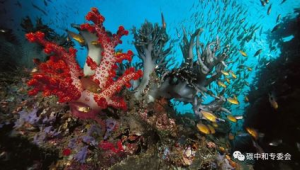
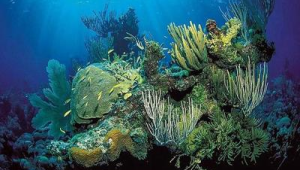
Habitats within the marine ecosystem are equally diverse and include coral reefs, kelp forests, deep-sea trenches, and open ocean waters. Coral reefs are one of the most iconic and important marine habitats, providing a home for a vast array of marine life. They are formed by the accumulation of calcium carbonate skeletons secreted by coral polyps. These reefs are not only beautiful but also play a crucial role in protecting coastlines from erosion, providing food and shelter for countless species, and supporting local economies through tourism. Kelp forests, on the other hand, are dominated by large brown algae known as kelp. These forests provide a complex three-dimensional structure that serves as a habitat for a variety of fish, invertebrates, and other organisms. They also play an important role in nutrient cycling and carbon sequestration.
The functioning of the marine ecosystem is governed by a variety of physical, chemical, and biological processes. Physical processes such as ocean currents, tides, and waves play a crucial role in transporting nutrients, heat, and organisms throughout the ocean. These currents can have a significant impact on the distribution and abundance of marine life. For example, the Gulf Stream, a powerful ocean current in the North Atlantic, transports warm water from the tropics to the northern latitudes, influencing the climate and the distribution of species in the region. Chemical processes, such as the cycling of nutrients like nitrogen, phosphorus, and carbon, are essential for the growth and survival of marine organisms. These nutrients are taken up by plants and algae during photosynthesis and then passed through the food web as organisms are consumed.
Biological processes within the marine ecosystem are equally important. Photosynthesis by marine plants and algae is the foundation of the food web, providing energy and organic matter for other organisms. Zooplankton, small floating animals, graze on the phytoplankton, and they in turn are consumed by larger organisms such as fish and whales. This complex web of interactions determines the flow of energy and matter through the ecosystem. Additionally, symbiotic relationships between organisms, such as the mutualistic relationship between corals and the algae that live within their tissues, are also crucial for the functioning of the ecosystem.
However, the marine ecosystem is facing numerous threats in today's world. Overfishing is one of the most significant threats, leading to the depletion of fish stocks and the disruption of the food web. Pollution, including oil spills, chemical runoff, and plastic debris, is also a major problem, harming marine organisms and their habitats. Climate change is another pressing threat, causing rising sea temperatures, sea-level rise, and changes in ocean chemistry. These changes are having a profound impact on the distribution and abundance of marine species, as well as on the functioning of the ecosystem as a whole.
To protect and conserve the marine ecosystem, a variety of measures are needed. Sustainable fishing practices, such as setting catch limits and protecting spawning grounds, are essential for maintaining healthy fish populations. Reducing pollution through better waste management and stricter regulations is also crucial. Additionally, efforts to mitigate climate change, such as reducing greenhouse gas emissions, are necessary to protect the future of the marine ecosystem. Conservation initiatives, such as the establishment of marine protected areas, can also play a vital role in safeguarding important habitats and species.
In conclusion, marine ecology is a fascinating and important field that helps us understand the complex workings of the ocean ecosystem. By studying marine organisms, their habitats, and the processes that govern the ecosystem, we can gain valuable insights into how to protect and conserve this precious resource for future generations. The health of the marine ecosystem is not only essential for the survival of countless species but also for the well-being of the planet as a whole. We must all take action to ensure that the ocean remains a vibrant and thriving ecosystem for years to come.