海洋地质前沿英文版
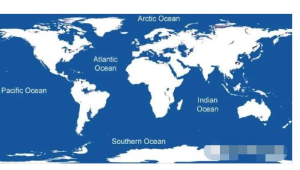
The "Marine Geology Frontiers" in its English - version serves as a significant international platform dedicated to the dissemination of cutting - edge research findings and the exploration of emerging trends in the field of marine geology. In a world where the ocean covers more than 70% of the Earth's surface, understanding marine geology is of utmost importance for various aspects, including resource exploration, environmental protection, and natural hazard prevention.
Marine geology is a multidisciplinary field that combines elements of geology, geophysics, geochemistry, and oceanography. The English - version of "Marine Geology Frontiers" aims to bring together the latest research from around the globe, facilitating cross - cultural and cross - disciplinary exchanges. It provides a window for international scholars to share their insights and results on topics such as seafloor sedimentation, plate tectonics in the ocean, and the formation of marine mineral resources.
One of the key areas covered by the journal is the exploration of marine mineral resources. With the increasing demand for minerals on land and the depletion of easily accessible deposits, the ocean has become an attractive target for resource exploration. The English - version of the journal publishes research on the distribution, formation mechanisms, and potential extraction methods of various marine minerals, including polymetallic nodules, cobalt - rich crusts, and hydrothermal sulfides. This research not only contributes to the scientific understanding of how these resources are formed but also provides valuable information for the development of sustainable mining strategies.
In addition to resource exploration, the journal also focuses on the study of marine environmental geology. The ocean environment is facing numerous challenges, such as climate change, pollution, and habitat destruction. Marine geology plays a crucial role in understanding the long - term environmental changes in the ocean and predicting their impacts. Articles in the journal may cover topics like sea - level change, sediment transport in response to environmental factors, and the impact of human activities on the seafloor ecosystem. By publishing high - quality research in this area, the English - version of "Marine Geology Frontiers" helps to raise awareness about the importance of protecting the marine environment and provides scientific basis for environmental management and conservation.
Another important aspect of the journal is its contribution to the study of natural hazards in the ocean. Earthquakes, tsunamis, and submarine landslides are some of the major natural hazards that can have significant impacts on coastal communities and offshore infrastructure. The English - version of the journal publishes research on the geological processes that trigger these hazards, as well as methods for their early detection and prediction. This research is essential for reducing the risk of disasters and protecting human lives and property.
Moreover, the journal encourages the use of advanced technologies in marine geological research. With the development of modern technology, new tools and methods are being applied to study the ocean floor, such as high - resolution sonar, remotely operated vehicles (ROVs), and autonomous underwater vehicles (AUVs). The English - version of "Marine Geology Frontiers" showcases research that utilizes these technologies to obtain more detailed and accurate data, which in turn helps to deepen our understanding of the complex geological processes in the ocean.
In conclusion, the English - version of "Marine Geology Frontiers" is a vital resource for the international marine geology community. It promotes the exchange of knowledge, fosters innovation in research, and provides a platform for addressing the most pressing issues in the field. As the importance of the ocean continues to grow in the 21st century, the role of this journal in advancing marine geological research will only become more prominent. It will continue to serve as a bridge between different countries and disciplines, facilitating the global effort to explore, understand, and protect our vast ocean.