海洋生态系统的英文
The marine ecosystem is a vast and complex web of life that covers more than 70% of the Earth's surface. It encompasses a wide range of habitats, from the sunlit shallows of the coastal areas to the pitch - black depths of the abyssal trenches. This intricate ecosystem is home to an incredibly diverse array of organisms, each playing a unique role in maintaining the balance of the ocean environment.
At the base of the marine food chain are the primary producers, mainly phytoplankton. These microscopic organisms are like the powerhouses of the ocean. Through the process of photosynthesis, they convert sunlight, carbon dioxide, and nutrients into organic matter, producing a significant portion of the world's oxygen. Phytoplankton also serve as the main food source for zooplankton, which are tiny animals floating in the water. Zooplankton, in turn, are preyed upon by small fish and other invertebrates. This transfer of energy from one trophic level to the next is the fundamental mechanism that sustains the marine ecosystem.
Coastal ecosystems, such as estuaries, salt marshes, and mangrove forests, are highly productive and important for the overall health of the ocean. Estuaries are areas where rivers meet the sea, creating a unique mix of fresh and saltwater. They are nurseries for many fish and shellfish species, providing shelter, food, and breeding grounds. Salt marshes are filled with salt - tolerant plants that help filter pollutants, prevent erosion, and store carbon. Mangrove forests, with their dense root systems, protect coastlines from storms and tsunamis. They also serve as habitats for a variety of birds, fish, and other wildlife, and contribute to the overall biodiversity of the marine environment.
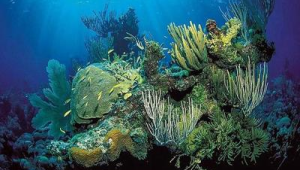
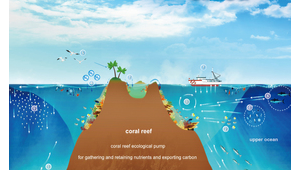
Coral reefs are often referred to as the "rainforests of the sea" due to their high biodiversity. These structures are built by tiny coral polyps that secrete calcium carbonate to form a hard exoskeleton. Coral reefs provide habitat for a quarter of all marine species, including colorful fish, crustaceans, and mollusks. They also protect coastlines from wave erosion and support local economies through tourism and fishing. However, coral reefs are under severe threat from climate change, ocean acidification, overfishing, and pollution. Rising sea temperatures cause coral bleaching, a phenomenon where corals expel the symbiotic algae living within them, leading to their death if the stressors persist.
The open ocean, or pelagic zone, is the largest part of the marine ecosystem. It can be divided into different layers based on depth and light availability. The epipelagic zone, also known as the sunlight zone, is where most of the photosynthesis occurs. Many large pelagic fish, such as tuna, sharks, and billfish, inhabit this zone, along with numerous species of seabirds that rely on the ocean for food. Deeper down, in the mesopelagic, bathypelagic, and abyssopelagic zones, the environment becomes increasingly harsh. Organisms in these zones have adapted to extreme cold, high pressure, and low light conditions. Some deep - sea creatures have developed bioluminescence, a fascinating ability to produce light, which they use for communication, attracting prey, or avoiding predators.
The deep - sea floor is another unique part of the marine ecosystem. Hydrothermal vents and cold seeps are found in these areas. Hydrothermal vents are openings in the ocean floor where super - heated water rich in minerals gushes out. Chemosynthetic bacteria at these vents use the chemicals in the water to produce energy, forming the base of a food chain that supports a variety of unique organisms, such as giant tube worms, blind shrimp, and strange - looking fish. Cold seeps, on the other hand, release methane and other hydrocarbons, and also host specialized communities of organisms that have adapted to these chemical - rich environments.
However, the marine ecosystem is facing numerous human - induced threats. Overfishing has depleted many fish stocks around the world, disrupting the balance of the food chain. Pollution from land - based sources, including agricultural runoff, industrial waste, and plastic debris, has a detrimental impact on marine life. Plastic pollution, in particular, is a growing concern as it can entangle animals, be ingested by them, and release harmful chemicals into the ocean. Climate change is also having far - reaching effects, with rising sea levels threatening coastal habitats and changes in ocean currents affecting the distribution and migration patterns of marine species.
To protect the marine ecosystem, a combination of conservation measures is needed. Establishing marine protected areas (MPAs) can help preserve critical habitats and allow fish populations to recover. Sustainable fishing practices, such as catch limits and the use of selective fishing gear, can ensure the long - term viability of fish stocks. Reducing pollution through better waste management and stricter environmental regulations is also essential. Additionally, addressing climate change by reducing greenhouse gas emissions is crucial for the future of the marine ecosystem. By taking these steps, we can hope to safeguard the rich biodiversity and ecological services provided by the ocean for generations to come.