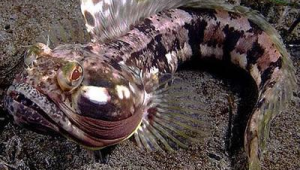
海洋生物英语介绍
Marine life is a fascinating and diverse world that encompasses a wide range of organisms. From the tiniest plankton to the massive whales, the oceans are home to an incredible variety of species. In this article, we will explore some of the most interesting and unique marine creatures and learn about their habitats, behaviors, and adaptations.
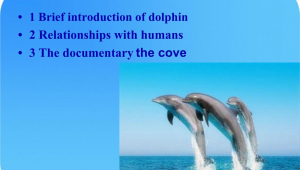
One of the most iconic marine animals is the dolphin. These intelligent and playful creatures are known for their sleek bodies and acrobatic skills. Dolphins are highly social animals and often travel in groups called pods. They use a variety of vocalizations to communicate with each other and navigate through the water. Dolphins are also known for their remarkable intelligence and have been trained to perform various tasks, such as rescuing humans and detecting underwater mines.
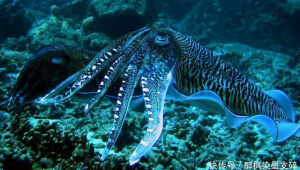
Another fascinating marine creature is the octopus. These soft-bodied cephalopods are masters of camouflage and can change the color and texture of their skin to blend in with their surroundings. Octopuses have eight arms equipped with suckers that they use to catch prey and navigate through the water. They are also highly intelligent and have been observed using tools and solving complex problems. Octopuses are found in a variety of habitats, from shallow coral reefs to the deep sea.
The whale is one of the largest and most magnificent marine animals. There are several different species of whales, including the blue whale, the humpback whale, and the sperm whale. Whales are filter feeders and consume vast amounts of plankton and small fish. They have a unique respiratory system that allows them to hold their breath for long periods of time while diving deep into the ocean. Whales are known for their magnificent songs, which they use to communicate with each other over long distances.
Corals are another important component of marine life. These colorful and delicate organisms form vast colonies that provide a habitat for a wide range of other marine creatures. Corals are sensitive to changes in temperature and acidity levels in the ocean and are facing threats from climate change and human activities. Many coral reefs are currently in decline, which has a significant impact on the biodiversity of the oceans.
In addition to these well-known marine creatures, there are also many lesser-known species that are equally fascinating. For example, the nautilus is a living fossil that has remained relatively unchanged for millions of years. It has a unique shell with a spiral shape and uses a jet propulsion system to move through the water. The anglerfish is a deep-sea creature with a bioluminescent lure that it uses to attract prey in the dark depths of the ocean.
Marine life plays a crucial role in the health and balance of the planet. Oceans cover more than 70% of the Earth's surface and are responsible for regulating the climate, producing oxygen, and providing a habitat for a vast array of organisms. However, human activities such as overfishing, pollution, and climate change are having a significant impact on marine life. Many species are facing extinction, and the health of the oceans is in jeopardy.
It is essential that we take steps to protect marine life and the oceans. This includes reducing our carbon footprint, implementing sustainable fishing practices, and protecting coral reefs and other important habitats. By taking action, we can help ensure the survival of these amazing creatures and preserve the beauty and diversity of the oceans for future generations. In conclusion, marine life is a treasure that we must cherish and protect. Through our efforts, we can make a positive difference and help maintain the health and balance of the marine ecosystem.