海洋生物英语作文
The ocean, a vast and mysterious realm, is home to an incredibly diverse array of marine life. From the tiniest plankton to the colossal blue whales, the marine ecosystem is a complex web of interactions that sustains life on our planet. In this essay, we will explore the fascinating world of marine creatures, their unique adaptations, and the challenges they face in the modern world.
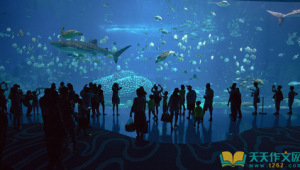
Marine life encompasses a wide range of organisms, each with its own set of characteristics and ecological roles. At the base of the marine food chain are the phytoplankton, microscopic plants that float near the surface of the water. These tiny organisms are responsible for producing a significant portion of the Earth's oxygen through photosynthesis. They serve as the primary food source for zooplankton, small animals that in turn are eaten by larger organisms.
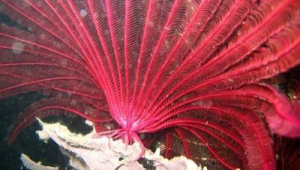
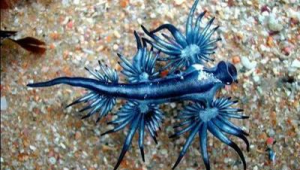
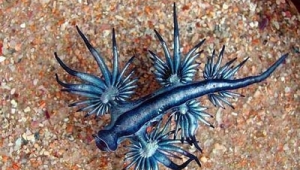
One of the most remarkable features of marine life is the incredible diversity of species. The ocean is teeming with life forms that have evolved over millions of years to adapt to different habitats and ecological niches. For example, the coral reefs are home to a vast number of species, including colorful fish, crustaceans, and mollusks. These reefs are often referred to as the "rainforests of the sea" due to their high biodiversity and complex ecological relationships.
Many marine creatures have developed unique adaptations to survive in the harsh conditions of the ocean. The deep - sea creatures, for instance, have adapted to the extreme pressure, cold temperatures, and lack of light. Some deep - sea fish have large eyes to capture the little available light, while others have bioluminescent organs that they use for communication, attracting prey, or confusing predators. The anglerfish is a prime example, with its long, fleshy protrusion on its head that emits light to lure unsuspecting prey in the darkness.
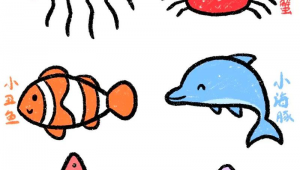
Marine mammals, such as dolphins, whales, and seals, are also a fascinating part of the marine ecosystem. Dolphins are known for their high intelligence and social behavior. They communicate with each other using a series of clicks, whistles, and body movements. Whales, on the other hand, are the largest animals on Earth. The blue whale, in particular, can reach lengths of up to 100 feet and weigh as much as 200 tons. These gentle giants feed mainly on krill, small shrimp - like organisms, and play a crucial role in the marine food chain.
Seals and sea lions are well - adapted to life in the water and on land. They have streamlined bodies and flippers that allow them to swim gracefully through the water. On land, they can move around using their flippers, although they are less agile compared to their aquatic movements. These marine mammals are important predators in the ocean, feeding on fish and squid.
However, the marine ecosystem is facing numerous threats in the modern world. One of the most significant threats is overfishing. The demand for seafood has led to the depletion of many fish stocks. Large - scale commercial fishing operations often use methods such as bottom trawling, which not only catch the target species but also damage the ocean floor and kill many non - target organisms. This has a cascading effect on the entire marine ecosystem, disrupting food chains and reducing biodiversity.
Pollution is another major problem. Industrial waste, agricultural runoff, and plastic debris are all finding their way into the ocean. Plastic pollution is particularly concerning as it can take hundreds of years to break down. Marine animals often mistake plastic for food, which can lead to ingestion and entanglement. Ingested plastic can cause internal injuries, blockages, and even death. Oil spills also have a devastating impact on marine life, coating the feathers of seabirds and the fur of marine mammals, reducing their ability to insulate and swim.
Climate change is also having a profound effect on the ocean. Rising sea temperatures are causing coral bleaching, a phenomenon where corals expel the symbiotic algae living in their tissues, turning them white. If the stressors persist, the corals can die, leading to the destruction of entire coral reef ecosystems. Additionally, ocean acidification, caused by the absorption of carbon dioxide from the atmosphere, is making the water more acidic. This can have a negative impact on shell - forming organisms such as oysters, clams, and some plankton, as it becomes more difficult for them to build and maintain their shells.
To protect the marine ecosystem and its inhabitants, it is essential that we take action. This includes implementing sustainable fishing practices, reducing pollution, and addressing climate change. Governments and international organizations need to work together to establish marine protected areas, where fishing and other human activities are restricted. Consumers can also play a role by choosing sustainably sourced seafood and reducing their use of single - use plastics.
In conclusion, the world of marine life is a rich and complex one, full of wonders and mysteries. The diverse range of marine creatures, from the microscopic plankton to the massive whales, all play important roles in the ecosystem. However, the threats they face, such as overfishing, pollution, and climate change, are putting their survival at risk. By taking collective action, we can ensure that future generations will be able to enjoy the beauty and biodiversity of the ocean.