海洋生物英语表达
The world's oceans are teeming with a vast array of fascinating creatures, each with its own unique characteristics and adaptations. From the majestic whales that breach the surface to the tiny, colorful fish that dart among the coral reefs, the diversity of marine life is truly remarkable. In this article, we will explore some of the most interesting and important marine organisms, and learn about their English names and the significance of their role in the ocean ecosystem.
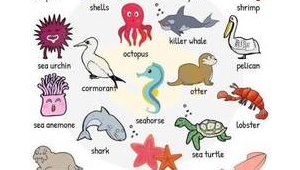
One of the most iconic marine creatures is the dolphin. These intelligent and playful mammals are known for their acrobatic displays and their ability to communicate with each other using a complex system of clicks, whistles, and body movements. Dolphins are found in oceans all over the world, and there are several different species, including the bottlenose dolphin, the common dolphin, and the spinner dolphin. In English, the word "dolphin" comes from the Greek word "delphis," which means "womb," because of the shape of the dolphin's body.
Another fascinating marine organism is the octopus. These eight-armed creatures are masters of disguise, able to change the color and texture of their skin to blend in with their surroundings. Octopuses are also highly intelligent, and they have been known to use tools and solve complex problems. There are over 300 species of octopus, and they are found in oceans all over the world. In English, the word "octopus" comes from the Greek word "oktopous," which means "eight feet."
The coral reef is another important marine ecosystem, home to a diverse range of plant and animal species. Coral reefs are formed by tiny animals called polyps, which secrete a hard exoskeleton made of calcium carbonate. Over time, these polyps build up to form the complex structures of the reef. Coral reefs are important because they provide habitat for many species of fish, invertebrates, and plants, and they also protect coastlines from erosion. In English, the word "coral" comes from the Greek word "korallion," which means "sea polyp."
One of the most important roles in the ocean ecosystem is played by the phytoplankton. These tiny, single-celled organisms are the base of the marine food chain, and they produce oxygen through photosynthesis. Phytoplankton are found in oceans all over the world, and they are responsible for about half of the oxygen production on Earth. In English, the word "phytoplankton" comes from the Greek words "phyton," which means "plant," and "plankton," which means "drifter."
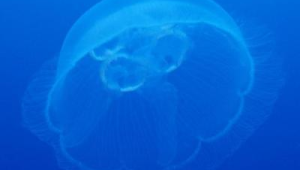
Another important group of marine organisms is the zooplankton. These small, drifting animals include a variety of species, such as jellyfish, krill, and copepods. Zooplankton are important because they are a food source for many larger animals, and they also play a role in the cycling of nutrients in the ocean. In English, the word "zooplankton" comes from the Greek words "zoon," which means "animal," and "plankton," which means "drifter."
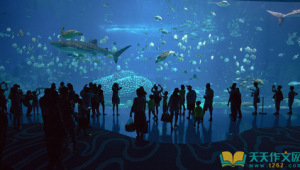
The shark is one of the most feared and misunderstood marine creatures. These powerful predators are found in oceans all over the world, and there are over 500 species of shark. Sharks are important because they help to keep the ocean ecosystem in balance by controlling the populations of other animals. In English, the word "shark" comes from the Old English word "scerga," which means "to cut or shear."
The sea turtle is another important marine reptile. These gentle creatures are found in oceans all over the world, and there are seven different species of sea turtle. Sea turtles are important because they play a role in the ecosystem by helping to maintain the health of coral reefs and seagrass beds. In English, the word "sea turtle" comes from the Old English word "turtel," which means "turtle."
In conclusion, the world's oceans are home to a vast array of fascinating and important marine organisms. From the majestic whales to the tiny, colorful fish, each species plays a unique role in the ocean ecosystem. By learning about these organisms and their English names, we can gain a greater appreciation for the diversity and complexity of life in the ocean. We must also take steps to protect these precious ecosystems and the creatures that depend on them, so that future generations can continue to enjoy the wonders of the ocean.