保护海洋生物英语
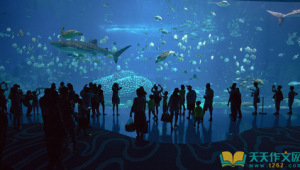
Marine life plays a crucial and irreplaceable role in the global ecosystem. The oceans, covering more than 70% of the Earth's surface, are home to an incredibly diverse range of species, from the tiniest plankton to the largest whales. These marine creatures are not only an essential part of the food chain but also contribute significantly to the overall health of our planet. For instance, phytoplankton, a type of microscopic marine plant, produces about half of the world's oxygen through photosynthesis. Moreover, marine life has a profound impact on the global climate system by regulating carbon dioxide levels. The economic value of marine resources is also substantial, supporting industries such as fishing, tourism, and shipping. However, in recent decades, marine life has been facing unprecedented threats that put its very existence at risk.
One of the most pressing threats to marine life is overfishing. With the increasing demand for seafood around the world, commercial fishing fleets have become more efficient and widespread. Large - scale fishing operations use advanced technologies such as sonar and long - line fishing, which often result in the capture of not only the target species but also a large number of non - target species, known as bycatch. Many species of fish, such as tuna and cod, are being overfished to the point of depletion. This not only disrupts the balance of the marine ecosystem but also has a significant impact on the livelihoods of millions of people who depend on fishing for their income.
Pollution is another major problem for marine life. Industrial waste, agricultural runoff, and plastic debris are constantly being dumped into the oceans. Chemical pollutants, such as heavy metals and pesticides, can accumulate in the tissues of marine organisms, causing a variety of health problems, including reproductive disorders and immune system damage. Plastic pollution is especially concerning. Every year, millions of tons of plastic waste enter the oceans, where it breaks down into microplastics. These microplastics are ingested by a wide range of marine species, from small fish to sea turtles and seabirds. The ingestion of microplastics can lead to internal injuries, reduced feeding capacity, and even death.
Climate change is also having a far - reaching impact on marine life. Rising sea temperatures are causing coral bleaching, a phenomenon where corals expel the symbiotic algae living in their tissues, turning them white and making them more vulnerable to disease and death. Since coral reefs are often referred to as the "rainforests of the sea," providing habitat and shelter for a vast number of marine species, the loss of coral reefs would have a cascading effect on the entire marine ecosystem. Additionally, ocean acidification, a result of increased carbon dioxide absorption by the oceans, is making it more difficult for shell - forming organisms such as oysters, clams, and some planktonic species to build and maintain their shells.
To protect marine life, we need to take a comprehensive set of measures. Firstly, we should establish and enforce strict fishing regulations. This includes setting catch limits, implementing seasonal fishing bans, and promoting sustainable fishing practices. For example, some countries have introduced the use of more selective fishing gear to reduce bycatch. Secondly, we must address the issue of pollution. Governments should enforce strict environmental laws to limit the amount of industrial and agricultural waste that can be discharged into the oceans. At the individual level, we can reduce our use of single - use plastics and properly dispose of our waste to prevent it from entering the marine environment.
Marine protected areas (MPAs) also play a vital role in protecting marine life. MPAs are designated areas where human activities are restricted to varying degrees, allowing marine ecosystems to recover and thrive. By creating a network of well - managed MPAs, we can safeguard important habitats and species. International cooperation is also essential. Since the oceans are a global commons, countries need to work together to develop and implement global strategies for marine conservation. This includes sharing scientific research, coordinating conservation efforts, and providing financial and technical assistance to developing countries.
Education and public awareness are also key factors in protecting marine life. By educating the public about the importance of marine ecosystems and the threats they face, we can encourage more people to take action. Schools, universities, and environmental organizations can play a crucial role in raising awareness through educational programs, campaigns, and outreach activities.
In conclusion, the protection of marine life is not only an environmental imperative but also a moral and economic necessity. The health of our oceans is closely linked to the well - being of our planet and future generations. By taking immediate and effective action, we can still reverse the current trend and ensure the long - term survival and prosperity of marine life. We must all recognize our responsibility and work together to protect these precious and fragile ecosystems.